Craft & Investment
Bespoke Joinery: Why It Is Worth the Investment
Is bespoke joinery worth it? It is one of the questions we hear most from homeowners weighing up a renovation budget. Here is how bespoke joinery differs from fitted and flat-pack alternatives, where the value actually shows up, and how to decide if it is right for your home.
What bespoke joinery actually means
The word gets used loosely, so it helps to be precise about what sets bespoke joinery apart from everything else on the market.
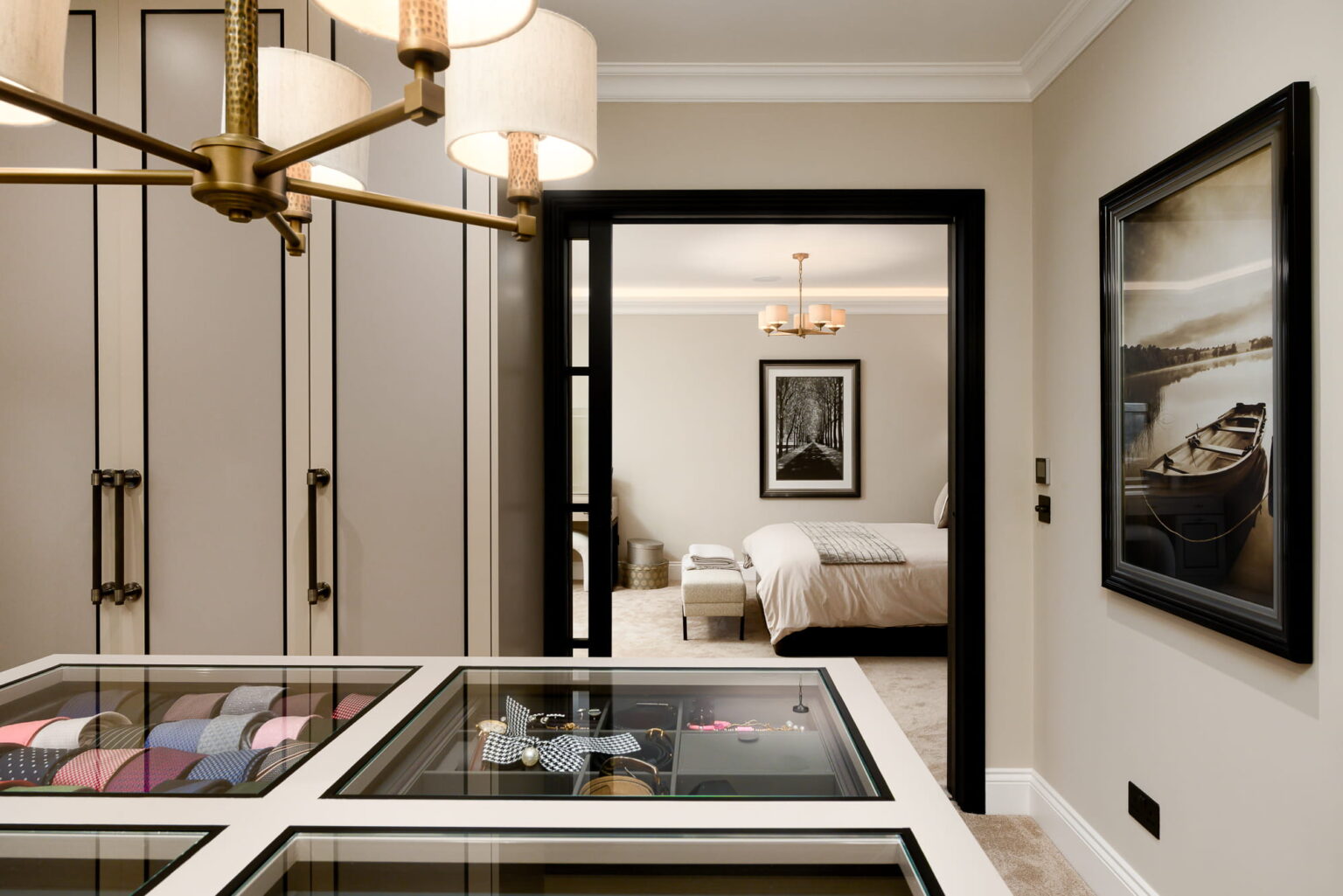
Bespoke joinery is designed and made from scratch for one specific space. Every dimension, material and detail is decided around your room, your storage needs and how you actually live, rather than being selected from a catalogue of standard sizes. It is built by a joiner or cabinet maker working from drawings, not assembled from pre-cut panels.
That distinction matters because it is the reason bespoke joinery can do things off the shelf furniture cannot: fill an awkward alcove exactly, run floor to ceiling without a gap, or combine several functions, storage, display and seating, into a single considered piece.
Bespoke vs fitted vs freestanding
All three have a place in a well designed home. The right choice depends on the space, the budget, and how long you want the piece to last.
| Type | How it is made | Best for |
|---|---|---|
| Freestanding | Bought ready made, moved in as a finished piece | Flexibility, renting, rooms that may change use |
| Fitted (modular) | Standard modules assembled to fill a space | Straightforward rooms on a tighter budget |
| Bespoke joinery | Designed and made to measure for one space | Awkward spaces, family storage, long term homes |
Fitted joinery can look similar to bespoke at a glance, but a modular system is still built from standard widths and heights. Bespoke joinery starts from the room, not from the catalogue, which is where the extra design time goes.
Is bespoke joinery worth it?
The honest answer depends on what you are comparing it to and how long you plan to stay in the house. This is where the value case is clearest.
Judged purely on the invoice, bespoke joinery is rarely the cheapest option in the room. Judged on how long it lasts, how well it performs, and how rarely it needs replacing, the comparison looks different. Well made bespoke joinery is built to be used daily for decades, not refreshed every few years.
Illustrative comparison of typical longevity and durability by joinery type, not a guarantee. Actual lifespan depends on materials, use and maintenance.
Where the value shows up over time
The return on bespoke joinery is not always visible on day one. It tends to show up gradually, in ways a standard unit cannot match.
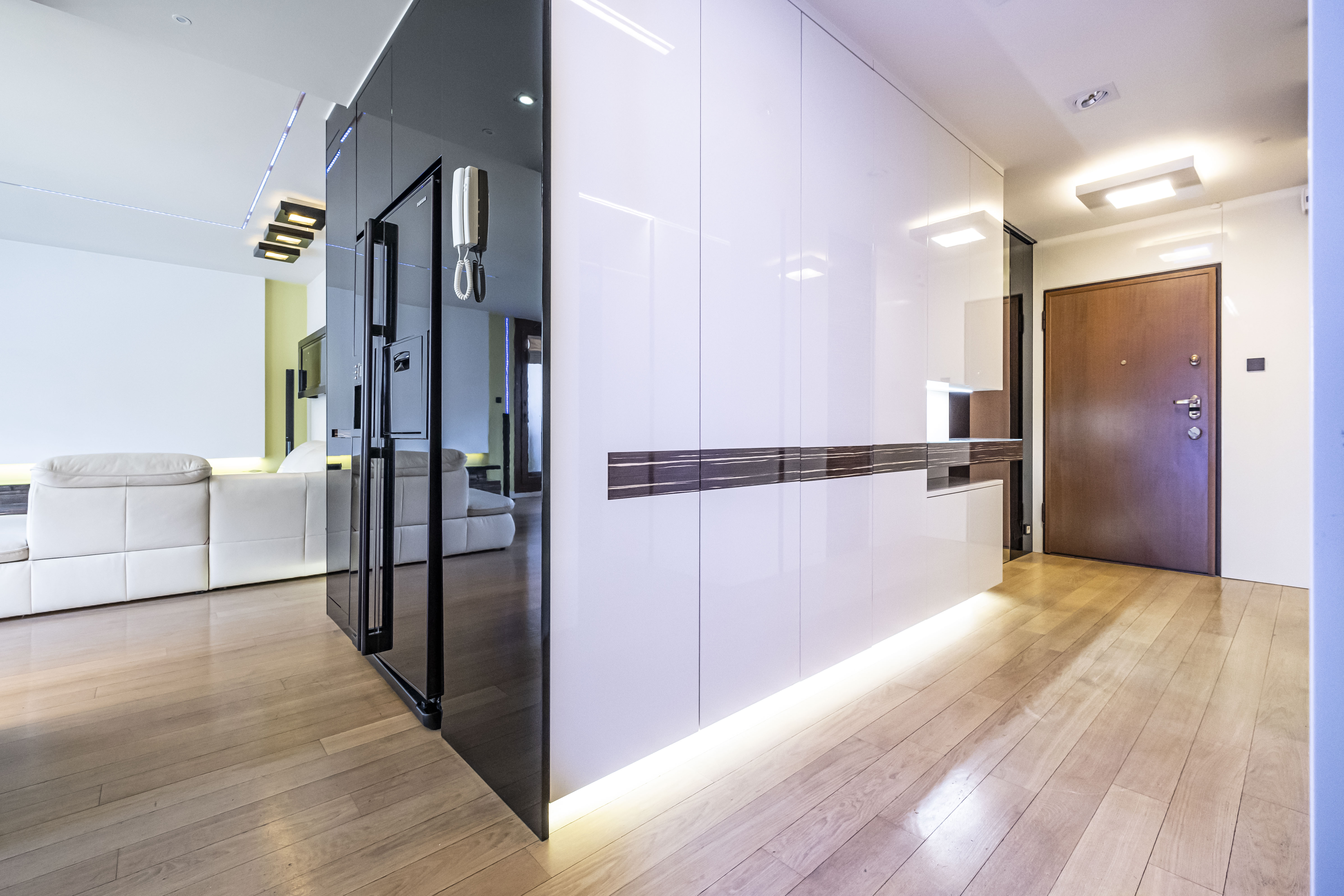
Space is used more efficiently, because every centimetre is designed for a purpose rather than left as a gap between standard modules. Materials are chosen for how they wear, not just how they look on delivery day, so solid timber, quality hardware and proper joints keep performing long after flat-pack fixings have loosened.
A well designed piece of bespoke joinery is still working exactly as intended twenty years after it was fitted.
There is also a resale dimension. Thoughtful bespoke joinery, especially in kitchens, boot rooms and studies, is consistently one of the details buyers and agents point to when a family home is valued, because it signals a property that has been cared for and considered.
Designing joinery that earns its place
Not every wall needs a bespoke solution. The skill is knowing where the investment pays off fastest.
Sloped ceilings, chimney breasts and alcoves are where standard units waste the most space, and where bespoke joinery gains the most.
Boot rooms, utility spaces and children’s rooms benefit from joinery designed around how a family actually moves through the day.
A home office, guest room or media wall doing several jobs at once needs joinery planned around all of them together.
Kitchens, staircases and entrance halls are where craftsmanship is most visible, and where it does the most for how a home feels.
Working with a designer and maker
Bespoke joinery is a collaboration between design and craft, and the process benefits from both being involved early.
A designer’s role is to work out what the space actually needs to do, how it fits with the rest of the room, and how the proportions and materials should relate to everything around them. The maker then translates that brief into working drawings, material choices and construction detail. Bringing both in at the same stage, rather than briefing a joiner after the design is finished, is what protects the fit, the finish and the budget.
It is also the stage where cost stays honest. A clear brief and agreed drawings mean fewer changes once the joiner is on site, and fewer changes on site is exactly what keeps bespoke joinery worth it rather than becoming an open ended spend.
Frequently asked questions
Is bespoke joinery worth it?
For most family homes, yes. It is made to fit your space, storage needs and daily routine exactly, and it tends to last longer and hold its value better than off the shelf alternatives. Designers weigh it up room by room rather than treating it as all or nothing for a whole house.
What is the difference between bespoke and fitted joinery?
Fitted joinery is often built from standard modules assembled to fill a space, while bespoke joinery is designed and made from scratch around your exact dimensions and function. Bespoke allows for detailing and finish that a modular system cannot match.
How long does bespoke joinery last?
Well made bespoke joinery, built from solid materials with proper joints and hardware, is designed to last for decades. Because it is made for your specific space, it also stays relevant for longer, since it was never designed around a passing trend.
Is bespoke joinery more expensive than flat-pack furniture?
The upfront cost is generally higher, since you are paying for design time, material selection and skilled making rather than mass production. Over the life of the piece, that gap narrows, because bespoke joinery rarely needs replacing.
Where does bespoke joinery make the biggest difference?
Awkward spaces, family storage and rooms doing several jobs at once benefit the most. Staircases, alcoves, boot rooms, home offices and kitchens are where bespoke joinery earns its place fastest.
Talk through your space
The clearest way to know if bespoke joinery is worth it for your home is to talk through the space with a designer. Start with a Signature Consultation and leave with a plan.
Our Story
Interior Architect Ula Postek
Architectural Designer & Interior Architect